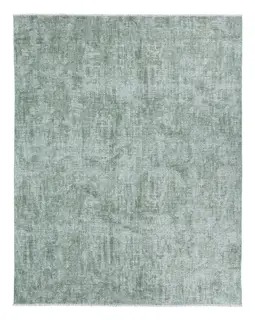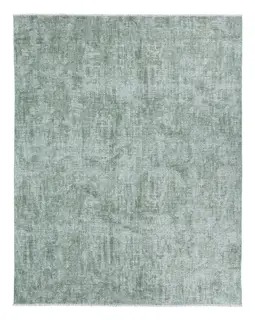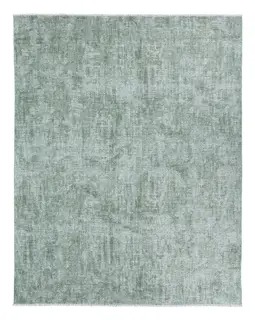
The season changing from winter to spring will bring many changes, including upgrades to the interior for many. Seasonal trends in interior design act as a dynamic, low-commitment method to enhance well-being and update a home's atmosphere, allowing spaces to feel alive and responsive to natural cycles. By swapping textiles, lighting, and accessories, these trends bring comfort, boost moods, and improve functionality, enabling homes to adapt from warm, cozy environments in winter to bright, airy spaces in the spring.
Spring is a season for renewal, light, and lifestyle shifts. As the winter ends, some people adjust their interior design to incorporate brighter, fresher colors and cozy touches like dynamic rugs that fill up the whole room. Rugs function as essential, foundational design elements that ground furniture, define spatial zones in open layouts, and add color, texture, and warmth to a room. Acting as a binder for visual composition, they organize, provide comfort, reduce noise, and prevent furniture from feeling as if it is floating.
Macro Spring Design Themes
This spring, many homeowners will focus on capturing the intricate, up-close details of the season, highlighting themes of renewal, growth, and the delicate beauty of nature. These visual themes emphasize texture, soft lighting, and vibrant colors.
The spring season is the time when the earth truly awakens, and winter returns to a deep sleep. Days are longer and warmer, and there is very little negative energy. Your home should symbolize this transformative season, with touches of bright, colorful accent pieces. New wall art, throw blankets, and rugs add to the cozy, warm feeling that lingers in this new season.
Cultural & Lifestyle Influences
The spring season trends we expect to see this upcoming season include:
- Wellness and biophilic living:There has been an emphasis on creating restorative, nature-connected sanctuaries, featuring intelligent green walls, raw materials like wood or stone, organic shapes, and maximizing natural light. We expect to see multi-sensory spaces, indoor-outdoor fluidity, and sustainability-focused designs, such as water features, to reduce stress, improve air quality, and boost mood.
- Post-minimalism and warm minimalism:Both of these design elements suggest a departure from the stark, cold, and rigid aesthetic of traditional 1960s minimalism. Instead, they focus on comfort, humanity, and texture. Warm minimalism emphasizes cozy, natural materials, organic shapes, and earthy tones to create serene, inviting homes. Post-minimalism introduces emotion and personal expression into the simplified structures.
- Hybrid living spaces (home + work + leisure):Hybrid spring living spaces blend indoor comfort with nature through breathable fabric, organic materials, and soft pastel palettes like sage green, blush, and sky blue. Biophilic designs, such as potted plants and fresh floral arrangements, alongside airy, decluttered layouts will maximize natural light.
Industry & Design Movements
Sustainability and ethical sourcing are rooted in the core of our business. We prioritize environmental health and fair labor, using durable, non-toxic, and responsibly produced materials to create long-lasting spaces. Some interior elements, such as rugs, focus on eco-friendly materials like wool, jute, sisal, and recycled fibers to minimize environmental impact. Organic wool, hemp, linen, jute, and sisal are preferred for their durability, biodegradability, and minimal environmental footprint. Hand-knotted, natural-fiber rugs can last decades, providing higher long-term value.
The interior design industry is a dynamic industry combining aesthetics, functionality, and psychology. Spring interior design inspiration is heavily influenced by historical and contemporary design movements. Environmental factors have historically influenced style, shaping movements from art deco to postmodernism. In the coming spring season, decorators are moving away from sterile whites. Many people within the industry favor warm, calming, and earthy colors, such as beige, caramel, sandy, and clay, to create depth during the warmer months.
Jaipur Living provides more than just high-quality rugs. We offer craft revival and artisanal value to your home. Many of our designs are inspired by the constant developments of design over time. In today’s technological society, many people are inspired by digital influences, like Pinterest, Instagram, and AI design tools. Digital tools fuel rapid, visual trends, acting as virtual galleries and encouraging DIY projects. Digital platforms are leading to a shift away from traditional design cycles.
Key Spring Color Trends & Rug Applications
The spring season will bring a burst of new color elements that will influence home design. Bold, colorful rugs are used to anchor living rooms
Dominant Spring Color Palettes
Jaipur Living offers various color palettes to choose from:
- Soft pastels: Sage, blush, and sky blue rugs offer a gentle, subtle touch to your space, creating a cozy, inviting, and tranquil environment.
- Earth tones: Clay, sand, and olive rugs create a warm, calming, and grounded atmosphere, making rooms feel more inviting and connected to nature.
- Statement brights: Cobalt, coral, and marigold rugs serve as a powerful, versatile design element that can instantly transform a dull room into a vibrant, curated, and personalized space.
How These Translate to Designer Rugs
Tonal rugs feature subtle, monochromatic colors that blend into a space to create a calm, grounding, and cohesive atmosphere. Conversely, accent rugs are smaller, decorative rugs designed to introduce a bold splash of color, pattern, or texture to highlight specific areas like entryways or small nooks. Tonal rugs are ideal for a minimal, serene, or zoned look that doesn't overwhelm the eye.
Color zoning with rugs defines the space, creating cohesion and protecting the flooring beneath. Using distinct textures, colors, and patterns will define functional spaces without needing physical walls. Layering neutral and seasonal color rugs is another method used in interior design. It adds depth and texture to your space. By placing a smaller, vibrant, or patterned rug over a large, solid neutral base, you’ll achieve a layered look that will bring your space together. You can use the neutral base to anchor the room, while swapping the top rug seasonally to introduce colors like earthy oranges for fall or bright tones for spring, keeping the look fresh. A rug may just be a rug, but the way you style it will determine the feel of your home this spring.
Material Trends in Designer Rugs
This spring, there will likely be an uptick in deeply tactile, sustainable, and organic material designer rugs that offer a calming, collected feel. There might be a shift towards high-low pile, bouclé, and chunky wool for texture, combined with sustainable, eco-friendly fibers like jute, sisal, and silk. Earthy color palettes, vintage-inspired designs, and organic, non-rectangular shapes are dominating the industry.
Natural Fibers
Natural fiber rugs add organic texture, warmth, and eco-friendly style to interiors:
- Wool
- Silk
- Jute
- Sisal
- Bamboo
Natural fiber rugs are used to create a natural, rustic, or modern coastal feel. Performance rugs, such as polyester, nylon, and polypropylene, offer superior stain resistance, durability, and easy maintenance for high-traffic areas. Luxury rugs, including wool, silk, or viscose, provide superior softness, texture, and aesthetic, but require delicate care. Performance rugs excel with kids and pets, whereas luxury rugs are best for low-traffic, formal spaces.
Sustainable & Innovative Materials
Sustainable and innovative rug materials focus on renewable, biodegradable, and recycled resources that minimize environmental impact. These rugs are made of:
- Recyled Fibers: Made from repurposed plastic waste, these are durable, water-resistant, and suitable for high-traffic areas.
- Plant-based dyes: Ideal for eco-conscious, durable, and textured designs, this material is rapidly renewable, biodegradable, and low-impact.
Rugs made with recycled or plant-based materials and low-impact production techniques will minimize their environmental footprint. Using non-toxic and natural dyes, implementing low-waste, closed-loop processing, and, when possible, ensuring fair trade, hand-knotted or hand-tufted manufacturing will enhance durability.
Texture as a Design Feature
Texture defines a room's mood, adds visual depth, and provides tactile comfort. By varying pile heights, materials, and weaving techniques, textured rugs can make spaces feel cozy, organic, or modern while enhancing the overall design theme.
- High-low piles: Ideal for adding cozy, artistic, or rustic elements to low-traffic areas like bedrooms, nurseries, or living rooms. They offer a stylish, textured aesthetic.
- Loop and cut combinations: Offer a sculpted look that adds depth, hides vacuum marks, and provides both softness and structural integrity. These rugs are ideal for high-traffic areas, hallways, and living rooms due to their superior durability.
- Hand-knotted vs hand-tufted: Hand-knotted rugs are premium, artisanal pieces with individually tied knots, no backing, and high value. Hand-tufted rugs are affordable, lower-durability alternatives that are produced quickly using a mechanized gun. They feature a glued canvas backing.
Pattern & Motif Trends
This spring, you should expect to see a blend of bold, modern, and subtle motifs, with a surge in asymmetrical designs, intricate, carved textures, and vintage-revival patterns.
Abstract & Organic Patterns
Abstract and organic patterned rugs will evoke a sense of natural fluidity, harmony, and calm. They often mimic forms found in nature, such as leaves, waves, and irregular, asymmetrical shapes. Some common abstract and organic patterns found in rugs are:
- Fluid forms: Organic, wavy, and irregular shapes that bring movement, softness, and a natural aesthetic to interior spaces.
- Watercolor effects: Blended, soft-focus, and artistic color transitions inspired by the painting technique. They often incorporate abstract, floral, or modern designs.
- Imperfection in geometry: Reflects the artisan's personal touch, and in traditional Persian rugs, the belief that only the divine is perfect.
Botanical & Nature-Inspired Motifs
Botanical and naturistic motifs are decorative designs featuring flowers, leaves, and plants. These designs symbolize themes of nature, fertility, life cycles, and spirituality across art, textiles, and architecture:
- Modernized Florals: May be used to symbolize life, eternal beauty, etc.
- Leaves, landscapes, and stone textures: Fundamental elements used to create visual interest, contrast, and emotional, symbolic meaning.
- Birds: Symbolize freedom, spiritual transition, and hope, often acting as messengers between the earthly and divine realms.
Cultural & Hertiage Patterns
Jaipur Living provides culturally significant rugs with woven narratives reflecting centuries of tradition. Our rugs feature distinct regional motifs like Persian and Tibetan knots, Moroccan designs, and Folk influences. These rugs symbolize themes like fertility, protection, and nomadic life, serving as functional art that connects historical craftsmanship to modern interiors. Jaipur Living continues our long history of sustainability in our traditional techniques. Our rugs are woven delicately using 2500-year-old methods that take months to complete. Our dedicated team of 40,0000 artisans in India keep the traditions alive. We provide contemporary takes on classic design where modern meets artistry. Our designs are drawn from centuries-old motifs, yet reimaged with a present-day influence.
Shape & Scale Trends in Rugs
Rug trends are moving away from traditional rectangles and instead favoring organic, asymmetrical, and curved shapes like ovals, waves, and freeform designs to add flow and soften modern spaces. Homeowners favor textural depth, bold, large-scale patterns, and the strategic layering of rugs to define zones in open-plan homes.
Rug Shapes
- Round and oval rugs: Offering a softer alternative to rectangles, oval and circular rugs are ideal for breaking up sharp, angular rooms.
- Irregular and freeform shapes: Made with rounded, curved, and wavy edges to disrupt rigid, linear architecture.
- Oversized statement rugs: Bring scale, balance, and beauty to expansive rooms.
Scale & Proportion
Choosing the right size rug will depend on the size of the space. Choosing the right motif dictates how a rug's pattern, size, and complexity interact with the surrounding furniture, room dimensions, and overall spatial rhythm. Proper rug scale and proportion are essential for anchoring furniture and defining spaces. There is a general rule to go bigger to avoid a disjointed, floating look.
- Large-scale motifs: Bold florals, geometric shapes, or abstract patterns that instantly create a focal point, add, and bring personality to a space. Ideal for modern, minimalist spaces.
- Minimal micro-patterns: Suited for traditional, intimate, and detailed interiors.
Proper scaling balances spaces, creating cozy or airy atmospheres. It directly dictates spatial comfort, with high ceilings boosting creativity and low ceilings enhancing focus.
Spring Styling Trends Using Designer Rugs
This spring, there will be a shift in focus on bringing the outdoors in with nature-inspired hues like sage green, terracotta, and sky blue. There will likely be a boost in bold botanical prints and rich, layered textures like bouclé and jute. Many homeowners will use oversized, solid-colored rugs in jewel tones to anchor spaces, as well as incorporate distressed vintage, abstract, and high-low pile rugs to add warmth and artistic flair.
Layering Techniques
- Rug-on-rug styling: Combine different rug sizes and textures to add depth, which is ideal for defining zones in open-plan spaces.
- Mixing textures and sizes: Pair a large, neutral base rug with a smaller, patterned, or high-pile accent rug for a cozy effect.
Room-by-Room Trends
- Living room focal rugs: Large, textured, or high-contrast, geometric rugs will act as a focal point. Low-pile options are preferred for practicality. Layering smaller, textured rugs over larger neutral ones is popular.
- Bedroom softness trends: Neutral, cozy, and high-texture rugs that create a calm, inviting atmosphere. They often extend just under the bed for a soft landing.
- Dining room statement rugs: Durable, low-pile rugs with bold, modern geometric, or abstract designs are trending. They are used to help add structure and define the dining space.
- Entryway seasonal refresh: Swap heavy, dark winter rugs for lighter, breathable materials like jute, cotton, or flatweaves in the spring.
Rugs as Art Pieces
Rugs are used in various ways to express creativity. Often hand-knotted and unique, these pieces serve as functional, collectible, and often, high-value artistic statements that transform rooms into gallery-like environments.
- Gallery-style placement: Pair rugs with cohesive, thoughtful furniture arrangements and wall art to create a balanced, intentional, and artistic, rather than just functional, room layout.
- Rugs as wall art: Transform blank walls into works of art. Wall art and tapestries in wool, silk, cotton, and more will highlight the handmade designs that artisans have brought to life.
- Centerpiece design philosophy: Balances an aesthetic appeal with practical functionality. This design aims to create a focal point that enhances the atmosphere without obstructing conversation or comfort.
Designer Influences
Rug design is heavily influenced by art movements such as art deco and minimalism. Some cultural traditions, like Persian, Moroccan, and fashion collaborations, often merge historical motifs with modern textures.
Notable Collections This Season
- Song of the Sahara:: This collection features beastly designs that express a tribal narrative with a Wabi Sabi influence.
- Bradley Odom Collection: Grounded in nature and Southern culture. This collection features Avis and Solum, two distinct designs that incorporate wool and tell a story of texture and timelessness.
- In The After Glow Collection: The intricate weaving details within this collection are inspired by the interplay of light and shifting shadows.
Rug Buying Trends
In 2026, customers are moving away from fast-decor items toward long-term investments that prioritize tactile depth, sustainable origins, and individual storytelling. One-of-a-kind vintage and antique rugs that are prized for their soul and unique history continue to trend as homeowners seek authenticity over mass production.
Traditionally, higher price points reflect the use of superior materials and craftsmanship. Custom rugs with personalization take time and cost significantly more to produce. As a leading luxury segmentor, Jaipur Living consistently provides the highest-quality rugs within the industry. Our custom rug construction methods, material quality, and knot density will guarantee long-term reliability.
Visiting a showroom brings tactile, visual, and professional reassurance to a high-investment purchase. Stop by the Jaipur Living Showroom to physically feel the texture of our rugs and experience the true colors in person. Before investing in one of our rugs, it’s best to verify the quality, which can sometimes be difficult to judge from photos. Touch each rug, feel the pile, and walk on it with your own feet to test the softness and quality.
Beyond Spring
Some trends will last into summer and fall, while others will be short-lived. You can expect there to be a heavier focus on natural textures, such as jute, sisal, and wool, to continue to prosper throughout the summer and fall seasons. There might be a boost in warm, earthy tones and versatile, timeless styles, such as layering techniques and vintage influences.
Unlike these trends, high-contrast geometric patterns, cool gray tones, and stark white synthetic materials are fading. Long-term, rug design is evolving toward highly personalized, eco-conscious, and sculptural pieces that abandon rigid symmetry for organic, imperfect shapes and mixed textures.
The Rug as the Anchor of Spring Design
Treat your rug as artwork for your space. Whether you prefer earth tones and texture, or bright tones that remind you of the sea or the sky, a rug will make your space more unique. Rugs are investment pieces that will last far longer than other interior pieces you have in your home.
Hand-knotted, authentic, and high-quality antique rugs serve as tangible, appreciating investments that often defy stock market volatility, lasting for generations. Purchase something worth passing down to your children and their children, where each step is an addition to a long history of love and determination. Explore Jaipur Living rugs today.
FAQ
- What are the top rug trends for spring 2026? For spring 2026, rug trends are defined by tactile comfort, organic silhouettes, and nature-driven palettes, moving toward a "Modern Organic" aesthetic that emphasizes wellness and restorative spaces.
- What colors are popular for spring design trends this year? There is a shift toward nature-inspired warmth and spirited, saturated accents, moving away from clinical grays. Cool blues, earthy neutrals, bold contrast hues will likely be popular for spring.
- What rug shapes are trending this spring? Non-traditional shapes like organic forms and rounds are gaining popularity. These shapes soften modern architecture and promote a sense of psychological comfort.
- How often should I update my rug collection to stay on trend? Your high-traffic foundation pieces should last 5 to 10 years, while smaller trend-focused rugs can be rotated every 2 to 3 years. Swapping out your rugs as seasons change is a great way to make your home feel fresh.
- Should I follow trends or invest in timeless rugs? It’s best to balance trend pieces with classics to avoid rapid outdating. adopt a hybrid approach: invest in timeless, high-quality anchors for primary living spaces and use on-trend refresh pieces for secondary rooms or areas with high wear.