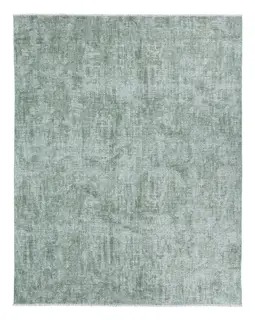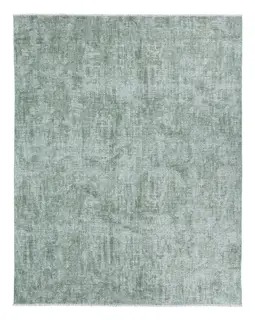
The most common design mistakes of colored rugs include choosing the wrong size, ignoring lighting variations, clashing with existing room decor, and failing to use underpadding. Using overly vibrant colors without balancing them, matching furniture too closely, or ignoring undertones can make rooms look cluttered or disjointed. arm, cozy environments in winter to bright, airy spaces in the spring.
There is a difference between decorating with rugs and designing with rugs. Decorating with rugs focuses on selecting, placing, and layering rugs as decorative, aesthetic finishing touches to complement a room's style. In contrast, designing with rugs treats them as foundational, structural, and functional elements that define spaces, set color palettes, and dictate furniture layout from the start of a project. Interior design is a delicate process that requires deep thought and strategic planning.
Rugs are the largest colored surface after walls. The rug color influences many things, including:
- Mood and psychology
- Spatial perception
- Flow between zones
Understanding Color in Interior Context
Color theory forms the basis of interior design. Thoroughly understanding color and how it transforms a space will help you choose the right colored rug for your home.
Color Theory for Designers (Refresher)
In spatial design, hue is considered the base color, value is the lightness or darkness of a color and saturation determines the intensity. These elements are used to manipulate mood, scale, and focus. High-value, low-saturation spaces feel airy, while dark values add drama.
Combining saturated focal points with neutral, muted backgrounds creates balanced, engaging, and functional interior environments. Warm colors, including red and yellow, are often used in dining or social spaces to uplift the mood and boost the energy of everyone in the room. Cool colors, like blue or green, are used in calming spaces, like bathrooms or bedrooms, to reduce stress and promote relaxation. Cool colors are used in floor plans to make small rooms appear more expansive.
Simultaneous contrast in interior design is used to manipulate the perception of color, light, and space by placing contrasting elements next to each other. It makes colors appear more vibrant, defines focal points, adjusts perceived room size, and alters the mood by causing adjacent colors to intensify or change. When choosing certain colors to be featured in your space, be sure to consider the psychological effects of the color.
As humans, we make subconscious decisions based on the colors in the room. With the right color theory, you can create dynamic, intentional, and harmonious spaces that change how the eye perceives color.
Color Perception on the Floor
Colors appear darker on horizontal planes because there is less direct light from the sky compared to vertical planes. Horizontal surfaces often have fewer angles to catch direct sunlight, leading to darker values. In interior spaces, a ceiling, a raised floor structure, or a lowered section of the floor are all horizontal planes that manipulate your perception of color.
Light reflection opens up closed spaces. Lighter colors with high gloss or polished materials reflect light and help disperse it deeper into a room, making it feel larger and more inviting. White floors will cause light reflection, making it more appealing and open for guests. Light absorption happens when a darker color absorbs light and makes a room feel smaller, dimmer, or more dramatic. A dark colored rug on the floor, made of velvet or smooth-textured material, will create a cozy, intimate or theatrical space.
Rug pile height and fiber type impact color perception. Pile height influences color through shading, light reflection, and texture. Higher piles create more dramatic, shaded patterns, while fiber type dictates color intensity, dye absorption, and long-term fading resistance.
- For uniform, consistent color: Select a low-pile, dense, or looped carpet.
- For high-drama, "shifting" color: Select a high-pile cut that will show shading and movement.
- For vibrant, bold color: Select a medium to high cut that is fade-resistant and stain-resistant.
- For long-lasting, deep color: Choose loop pile or textured loop carpet.
Role of Colored Rugs in Spatial Design
Colored rugs are fundamental to spatial design. They act as visual anchors to a space, defining zones and setting the emotional force of a room. Colored rugs manipulate a space by using color to brighten or darken the room.
Rugs as Anchors
Rugs are used as grounding elements. Grounding through furniture groupings makes conversational areas feel intentional, cozy, and solid within a large space. Some spaces feel as if you’re floating in the middle of the room when there isn’t a rug to keep everything connected. To ground furniture effectively, ensure that at least the front legs of all major pieces of furniture are placed on the rug. Rugs enhance both the comfort and the visual appeal of your home.
Rugs are used to create visual weight and hierarchy. The visual weight is also known as grounding furniture, while hierarchy is used to direct the eye and define zones within your home. For high visual weight, dark or deep-toned rugs are recommended as they make a space feel permanent.
Moody rugs provide a luxurious feel and a strong, grounding base. For low visual weight, cream or light neutral rugs are recommended as they enhance the cspace and provide continuity. Layering rugs made of jute or shag can establish hierarchy. This technique defines a primary space and establishes secondary decorative zones within the room.
Determine what anchors your space with your choice of a rug. A rug that is too small fragments the space, while a properly scaled rug connects everything within the space.
Rugs as Transitions
Rugs in open-plan spaces define specific zones, like living, dining, or workspaces. Without the need for walls, you can create functional rooms within a room. Rugs act as visual anchors and transition pieces by using complementary, rather than identical, colors, textures, and patterns to maintain a cohesive, harmonious flow throughout the larger space. Create pathways by using rugs to define the traffic flow. In larger spaces, rugs guide movement between areas while leaving some of the floor exposed as a border. When choosing a living room rug, you should first consider its function.
Color bridges spaces by creating visual continuity. By using techniques like consistent trim colors, flowing, complementary palettes, and repeating accent colors across rooms, you will create a seamless, cohesive effect. Color links distinct areas when using a neutral base throughout, transitioning with shades of the same hue, or using a common color in shared, transitional spaces like hallways.
Rugs as Focal Points
Rugs can be used as statement pieces. Whether you choose a bright, bold rug or layer different rugs to add depth to the space, a rug can anchor the room and enhance the overall aesthetic. To create a cohesive style, adding a bold statement rug to the center of the room can balance out the space. Complement the other elements by positioning the rug in the middle of the room and defining it as an inviting focal point.
You can balance a bold rug with quiet interiors. When you choose a colorful rug with dynamic patterns, it’s best to balance the space with a neutral foundation. Use solid-colored furniture in soft tones to allow the rug's patterns or colors to stand out without competing.
Choosing Rug Color by Design Goal
What do you want your space to say about you? Do you want your guests to enter into a bright space that mimics the sun, or enter a room that feels like a moody oasis? The rug you choose will determine the look and feel of your room.
Using A Rug To Enlarge a Space
To make the most of the space you have, choose a rug that makes the room feel even larger than it is. You can achieve this by choosing rugs that are:
- Light neutrals: Beige, ivory, and other light colors reflect more light, making a room feel airy.
- Low-contrast palettes: Off-white, pale grey, and light pastels, especially in monochrome, prevent the eye from stopping at corner edges.
- Cool tones: Select a medium to high cut that is fade-resistant and stain-resistant.
Using A Rug To Warm a Space
Warm colors evoke feelings of energy, passion, and coziness. Make your space more inviting by incorporating these colors:
- Reds, terracottas, rusts: Foster a cozy, grounded, and sunbaked atmosphere.
- Earth tones: Chocolate brown, burnt orange, and other earth tones create a cozy, organic space.
- Saturated warm neutrals: Rich beige, creamy taupe, camel, and deep caramel instantly add depth and comfort to a space.
Add Drama or Energy With A Rug
Choosing bold, high-contrast colors or striking patterns will make the floor a focal point. Boost the energy in the room by incorporating these colors:
- Jewel tones: Deep sapphire, emerald, ruby, amethyst, and topaz serve as vibrant, artistic anchors.
- High saturation: Vibrant reds, oranges, yellows add luxurious elements to a space.
- Complementary contrasts: Direct opposite colors, like blue and orange, or yellow and purple, stimulate conversation.
Calm and Soften With a Rug
Invite tranquility to your space with these rug designs:
- Muted and Neutral palettes: Creamy ivories, misty grays, or pale, muted greens introduce texture without creating visual clutter.
- Analogous color schemes: Cool blue, green, or muted earth tones create a harmonious and restorative space.
- Tonal layering: Terracotta, olive, and taupe create a calm, soft, and sophisticated atmosphere by using subtle, monochromatic shifts in color
Colored Rugs by Interior Style
Every colored rug determines the style of your space. The choice you make will influence whether a space feels warm and cozy or sterile and cold.
Modern & Minimalist
Monochrome rugs give your home a less-is-more feeling. Clean lines, neutrals, and black and white elements with a single accent color will create serene, open environments. Modern interior design includes sharp, geometric lines that define the space, aiming for open, airy, and uncluttered environments.
Scandinavian
Soft pastels are common in these types of spaces. This interior style is dominated by white, soft gray, beige, and cream to maximize light reflection. By incorporating desaturated blues and greens, you’ll maximize light and comfort.
Bohemian/Eclectic
This interior design style incorporates multi-color patterns and blends free-spirited, artistic expression with a diverse, curated mix of elements. This design style focuses on layered textures, natural materials, and vibrant, earthy colors. Global-inspired palettes mix international art, textiles, and culture.
Luxury/Contemporary
Luxurious interiors balance sleek, functional modernism with high-end, comfortable elegance. There is a focus on open, uncluttered spaces, rich textures, and bespoke, sculptural furniture. Jewel tones and high contrast tones are favored. Metallics, including brass and bronze, are used as dramatic accents.
Traditional/Classic
Persian rugs add rich, vibrant elements to the space. Vintage rugs in various colors, including burgundy, navy, and forest green, create opulent, warm, and cozy atmospheres.
Pattern vs Solid: Color Complexity
Patterned and solid rugs both complement a space. The right rug will tie a space together.
Solid Colored Rugs
Solid rugs of any color can be used to balance the patterns within a space. They are best for layered interiors, with plush rugs on top of larger, neutral bases. Solid colored rugs can be used when furniture is complex. If furniture is patterned, a solid colored rug prevents the space from feeling too busy.
Multi-Colored Rugs
Multi-colored rugs effectively manage visual noise by creating a focal point that camouflages stains, dirt, and high-traffic wear, reducing the chaotic appearance of busy or open-plan rooms. Extract colors from your multi-colored rugs to decorate the rest of the room.
Gradient & Ombre Rugs
Used in transitional spaces, like hallways or in entryways. These rugs are contemporary design statements, acting as art. They bring subtle movement and warmth to any space.
Matching Rug Color with Key Room Elements
The right rug will transform your space. The rug you choose is more than decor. It’s the perfect foundation for your home.
With Wall Color
Matching a rug's color with the wall color creates visual continuity, making rooms feel more cohesive. A rug of the same tone as the wall will result in a calm atmosphere. Lighter walls with lighter rugs make the space feel airy. Darker walls with dark rugs create a moody atmosphere. Complementary colors, like blue and orange, are direct opposites. Decorating with complementary colors creates a vibrant dynamic. Analogous colors, such as blue and green, are adjacent color choices. They offer a harmonious feeling to the space.
With Furniture
Matching rug color with furniture creates a cohesive, harmonious, and intentional look that anchors the area. Furniture with upholstery anchoring can be used for both fastening and decorating. These fasteners are durable and provide a professional finish. When the fasteners match the color of the rug, it brings the room together. Furniture with wooden accents can pair well with natural fiber rugs with neutral undertones.
With Artwork & Accessories
Creating color repetition with rugs involves using a rug as a foundational, dominant piece and echoing its colors in other room elements like textiles, art, or accessories. Complementing rugs with artwork and accessories involves harmonizing colors, balancing patterns, and aligning styles to create a cohesive space. Pulling accent colors from artwork and other decorations can create a cohesive, non-matching look.
Lighting and Its Effect on Rug Color
Lighting significantly alters the appearance of rug colors. Each type of light will have its own effect on the way you see a rug.
Natural Light
South-facing rooms offer bright, warm, and consistent direct sunlight throughout the day, ideal for living areas. North-facing rooms receive cool, consistent, and indirect light, appearing darker and softer, which is excellent for offices or studios. As the sun fades, natural light shifts the way color is shown. Many types of fabric used for rugs are resistant to fading, while others are more susceptible.
Artificial Light
Warm artificial light emits a cozy, yellow-toned glow that is ideal for relaxing spaces like bedrooms and living rooms. Cool bulbs produce bright, blue-white daylight that boosts alertness and focus. They’re typically used in kitchens and offices. A rug may look completely different in morning sunlight versus evening artificial light. It is recommended to view samples of your desired rug in the intended space before making your final choice.
Showroom vs Real Home Effect
Rugs look different after they are placed in your home. Showrooms use layered and professional lighting to reduce shadows. In your home, light changes throughout the day, which can make the same rug appear muted or different in tone.
Practical Constraints Designers Must Consider
Choose the right rug for your lifestyle. Your rug selection should be guided by the unique benefits each one offers.
Maintenance & Wear
Dark rugs are great at hiding stains and dirt. They are ideal for busy, high-traffic areas. Dark rugs require lower maintenance. Light rugs show spills and footprints easily. They require regular, consistent vacuuming to manage any wear.
Client Lifestyle
Rugs in homes with pets, kids, and anyone with allergies likely require regular, deep cleaning. It’s essential to remove embedded pet dander, dust mite waste, and dirt. Stain visibility is higher when the rug is lighter. Choosing a darker or patterned rug is the best choice for homes with pets and kids.
Budget & Availability
Custom rug dyeing is more expensive than traditional rugs. Dyeing typically only allows for darkening the carpet or shifting to a similar color family, not going lighter. There will be batch variation issues when dyeing rugs, as raw materials lead to inconsistencies. There will be shade differences, but that is what makes custom rugs more unique and pricey.
Cultural & Emotional Meanings of Color
Every color has a meaning and makes you feel a certain way:
- Red: power, warmth, appetite
- Blue: calm, trust, professionalism
- Green: balance, biophilic design
- Yellow: optimism, creativity
- Black: luxury, drama
- White: purity, expansion
Advanced Designer Techniques
There are various rug-making techniques, including hand-knotting, hand-tufting with guns, hooking, flatweaving, and braiding. Each technique ensures the longevity of your rug.
Color Echoing
Repeating rug colors subtly across space creates visual harmony. Color echoing prevents colors from appearing isolated. This method creates a visual storyline that feels deliberate.
Rug Layering
Rug layering adds depth to a space. Layering with a neutral base and a colored top rug will add color, texture, and pattern to your decor. Pair rugs of different textures, shapes, and colors in your space to add character. Pair large rugs with smaller accent rugs on top.
Using Rugs to Correct Design Problems
Fix awkward room layouts with a rug. They create instant focal points, anchor furniture groupings, and bring in color or pattern to balance a room. Lighter-colored rugs make small spaces feel larger, while darker, richer colors create a cozy, intimate feel in large rooms. Rugs can be used to distract from architectural flaws. Rugs can draw the eye downward, distracting from uneven floors, outdated flooring, or awkward room proportions.
Common Designer Mistakes
Many design mistakes can occur when you don’t plan effectively:
- Not thinking about lighting and how it can change the look or feel of colors
- Choosing rug color last
- Ignoring undertones
- Overmatching everything
- Forgetting floor color interaction
- Selecting trendy colors without longevity
Designer Workflow for Rug Color Selection
Step-by-step professional process:
- Define the space's purpose
- Establish main color palette
- Identify hero vs supporting colors
- Assess lighting and how it affects the rug color
- Test rug samples in the showroom and in the space
- Confirm client lifestyle
- Make a final color decision
Future Trends in Colored Rugs
- Biophilic palettes: Greens, blues, earthy neutrals, warm accents, and soft whites
- Digital printing: Use advanced inkjet technology to apply high-definition or photo designs directly onto various fabrics and materials like polyester, nylon, and wool.
- Sustainable dyes: Derived from natural plant, mineral, and insect sources. This dye offers a safer, non-toxic alternative to synthetic dyes while providing rich, nuanced colors.
- Custom color matching: Manufacturer colors, fabric samples, or specialized tools achieve precise, customized shades that perfectly match your space.
Thinking Like a Color Strategist, Not a Decorator, to Find Inspiration
Rugs act as architectural tools in your space. They define, anchor, and divide open-plan spaces without rigid walls. Color is a spatial language that determines the mood of the space. Hues, brightness, and saturation alter the perception of depth, size, and orientation within a space. With colored rugs, you’ll send a non-verbal cue for zoning and navigation. With rugs, you can design emotional experiences through floor color.
FAQ
- How do professionals test rug colors? Rugs act as architectural tools in your space. They define, anchor, and divide open-plan spaces without rigid walls. Color is a spatial language that determines the mood of the space. Hues, brightness, and saturation alter the perception of depth, size, and orientation within a space. With colored rugs, you’ll send a non-verbal cue for zoning and navigation. With rugs, you can design emotional experiences through floor color.
- Can a rug correct an unbalanced color scheme? Yes — rugs are one of the easiest tools for reintroducing missing warmth, contrast, or saturation.
- What are the most timeless rug colors? Warm neutrals (beige, greige, taupe), Navy, Soft gray, Earth tones
- Do dark rugs make a room look smaller? Generally, yes, but dark rugs can also add depth, drama, and intimacy when used intentionally in large or well-lit spaces.
- Why do rug colors look different in a home than in the showroom? Lighting, wall colors, surrounding materials, and even ceiling height affect color perception dramatically.
- How many colors should a rug have? For most interiors: Minimal spaces: 1–2 colors Layered interiors: 3–5 colors Eclectic spaces: up to 7, if balanced properly