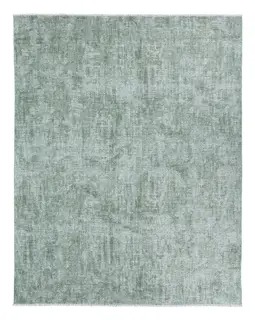
From their earthy texture to their sun-baked tones, there’s something undeniably grounding about jute rugs. And in modern interiors, where purposeful design, clean lines, and natural light are taking center stage, jute fits right in.
As contemporary design leans toward simplicity and organic comfort, jute rugs offer the perfect blend of beauty and function. They’re durable, sustainable, and endlessly versatile, pairing with everything from Japandi and Scandinavian styles to global-inspired looks.
What Jute’s Texture, Color & Weave Bring to a Modern Room
Jute rugs shine in modern homes because its texture, color, and weave give you a lot of design flexibility.
Texture: Adds visual movement without clutter
Modern interiors often lean on smooth surfaces like hardwood, concrete, polished stone, or flat-front cabinetry. A jute rug introduces a subtle, natural texture that breaks up all that sleekness. It’s visually interesting without being busy, which keeps modern rooms feeling calm rather than cluttered.
Color: Works with every modern palette
Because jute naturally ranges from light straw to richer honey tones, it plays well with nearly any color story, such as soft neutrals, black-and-cream modern palettes, earth-inspired greens and browns, or darker, moody accents.
Weave: Creates the structure a modern room needs
Jute comes in a variety of weaves, like flat-woven, chunky, braided, boucle-like, and each brings a slightly different feel:
- Flat-woven: clean, minimal, ideal for modern or Japandi spaces
- Chunky weave: adds dimension in simple, pared-back rooms
- Braided: brings subtle pattern and movement
- Fine weave: tailored and refined for transitional or polished modern homes
Choosing the right weave lets you fine-tune how subtle or statement-making you want your rug to be.

How Jute Really Works in Modern Homes (Practical Design Tips)
What makes jute so useful in modern interiors is its ability to solve common design challenges without adding visual clutter. Think of it as a steady, neutral, and easy-to-build-on foundation piece.
Here’s how designers actually use it:
- It anchors open-concept layouts. Modern homes often have shared living/dining spaces or large, open rooms. A jute rug creates structure, helping define each zone without interrupting the overall flow.
- It balances strong, modern materials. Concrete floors, metal accents, glass surfaces, and sharp silhouettes can feel a little stark on their own. Jute adds a grounding base layer that softens the room visually, making everything feel more cohesive.
- It’s the go-to base layer for rug layering. If you like swapping rugs seasonally or want to highlight a patterned or hand-knotted piece, a jute rug underneath provides texture and contrast without competing for attention.
- It works with almost any color palette. Because jute has natural tonal variation, it blends easily with both light and dark palettes, whether your space leans neutral, earthy, bold, or minimalist.
- It complements a wide range of styles. Jute isn’t tied to one aesthetic. It fits seamlessly into Japandi, Scandinavian, California casual, transitional, coastal, and global-inspired homes, making it a reliable choice no matter how your décor evolves.
- It’s low-profile and practical for everyday life. In high-traffic areas like living rooms, entryways, and dining rooms, a jute rug lays flat, stays put, and doesn’t overwhelm the space, which is key for modern homes that focus on functionality.
Tips & Tricks for Styling Jute Rugs in a Contemporary Home
Once you’ve chosen a jute rug , the next step is making it work with your existing furniture, colors, and layout. These simple styling ideas help jute feel intentional.
- Match the weave to the furniture style. This makes the room feel cohesive instead of visually “heavy” or mismatched.
- Chunky or braided jute looks great with modern, low-profile sofas and clean-lined coffee tables.
- Tighter, fine weaves pair well with structured, more tailored furniture.
- Use round jute rugs to soften angular layouts. Modern homes often have lots of straight lines. A round jute rug instantly breaks up the geometry and makes a room feel more fluid.
- Let jute highlight statement furniture. If you have a sculptural coffee table, a curved sofa, or bold artwork, choose a simple jute rug underneath. It keeps the focus on the pieces you want to stand out.
- Layer jute for extra depth (without extra pattern). If your contemporary home leans minimalist, layering a patterned or textured rug over a jute base adds interest without overwhelming the room. It’s an easy way to experiment with patterns.
- Use jute to visually “lighten” darker furniture. Dark woods, charcoal fabrics, and black accents can make a space feel bottom-heavy. A light jute rug lifts the palette and balances the room without changing the furniture.
- Pair jute with soft textiles for contrast. Add linen curtains, cotton throws, and boucle pillows. The mix of smooth + textured materials keeps the room from feeling flat.
- Don’t skip the rug pad. A simple one, even with a flat-woven rug, adds structure, prevents shifting, and preserves the shape of the rug.
- Choose the right size to enhance flow. In a contemporary layout, a slightly larger jute rug often looks better than a smaller one. The larger footprint gives a sense of space and belonging.

Style your Home with Jute Rugs from Jaipur Living
Whether you’re layering them under a favorite patterned rug, using them to define an open layout, or letting them support your statement pieces, jute offers a simple, reliable foundation that works with the way you live.
If you’re exploring natural fiber rugs for your home, jute is one of the most versatile places to start. Shop our collection at Jaipur Living today.