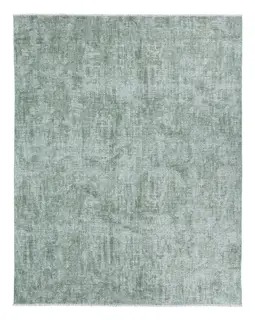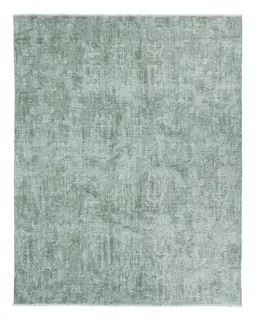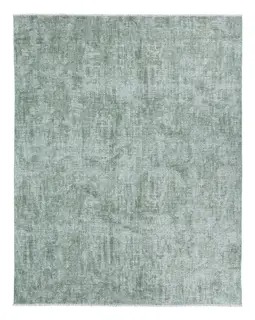
Whether you're hosting guests or just enjoying takeout with family, the dining room is the personification of design meets function in the home. And nothing sets the tone more than the rug beneath your table. It defines the space, protects your floors, and adds texture and warmth, all while dealing with chairs, crumbs, and foot traffic.
A well-chosen rug enhances the overall experience of dining. The key is finding one that works just as hard as it looks good. Follow along with our guide on how to choose the best rug for your dining room.
How to Choose a Dining Room Rug That Actually Works
The best dining room rugs rely on the right combination of material, weave, and size to create spaces that are a blend of beauty and practicality. Here’s what designers look for when sourcing the right one:
-
Start With Material
With the practical demands of dining rooms taking center focus, easy-care rug materials are a must-have for handling spills, traffic, and more. Some material options that are up to the task are:
- Wool Dining Room Rugs: Durable, naturally stain-resistant, and soft underfoot, wool is a timeless choice for busy dining rooms with lots of design flexibility.
- Polypropylene or performance fibers: Great for homes with kids or frequent entertaining, these synthetic options are often stain-resistant and budget-friendly.
- Cotton or flatweaves: Lightweight and easy to clean, cotton and flatweave rugs are a great option, though they may require a rug pad to stay in place.
- Washable rugs: Coming in a range of styles and designs, washable rugs are ideal for worry-free hosting (hello, red wine spills).
-
A Low and Smooth Weave
Flatweaves and low-pile rugs are ideal choices for the dining room. High-pile or shag rugs may look cozy, but they make it difficult to move chairs and are more likely to trap crumbs. Look for constructions like hand tufted, hand-loomed, or machine-made that offer durability and a low, dense pile.

-
Bigger Is (Almost Always) Better
Your rug should extend at least 24–30 inches beyond each edge of your dining table so chairs can slide in and out without catching. Too-small rugs are the most common dining room mistake, as they make the space feel awkward and unfinished.
Pro Tip: Measure your table with the chairs pulled out, then add a few extra inches of buffer room. Round tables often look best with round rugs, while rectangular tables typically suit rectangular rugs.

Placement Tricks Designers Swear By
Designers see rugs as more than just an accessory, but as a visual anchor that holds a room together. In dining spaces especially, the right placement can mean the difference between a look that feels intentional and one that feels like an afterthought.
A well-positioned rug centers the table, creates a sense of symmetry, and brings warmth and cohesion to the space. Here’s how to position yours like a pro.
-
Create a Defined Zone
Especially in open-concept homes, a rug under the dining table creates a visual boundary. It helps create a defined zone without the need for walls or dividers.
-
Center With Intention
Align the rug with the table (not the chandelier or the room itself). The rug should visually center the table and extend evenly on all sides, even if your room is asymmetrical.
-
Leave Breathing Room
If your dining area is tight on space, try a rug that fills most of the area but still leaves 12–18 inches between its edges and the wall. This helps to frame the room without overwhelming it.
How To Style It Like a Designer
Now that you’ve got the logistics down, it’s time to add style and polish. From pairing the right rug with your dining table’s finish to playing with pattern, color, and texture, these design choices are what turn your rug into a statement piece.
Think of your rug as the foundation of the room’s personality. Let it reflect your taste, support the vibe, and make the whole space feel effortlessly pulled together.
-
Match (or Mismatch) With Intention
If your dining table is richly textured wood, a soft neutral or subtly patterned rug can create balance. Conversely, if your table is minimalist or glass, don’t be afraid to go bold with a graphic rug or layered color.
-
Color and Pattern Considerations
Color and pattern are a great way to set the tone. Here are a few pro tips of combinations that work:
- Neutrals act as a great base for reflecting light and opening up the room
- Earth tones feel grounded and forgiving of mess
- Patterns help hide stains and wear while adding personality
- Monochrome palettes keep the vibe cohesive in minimalist spaces
-
Layer Thoughtfully
For larger spaces, a base layer of sisal or jute topped with a soft wool rug can add dimension. Keep piles low to avoid wobbling chairs.

Dining Room Rug’s Maintenance Checklist
Dining room rugs see a lot of wear and tear, from spills and crumbs, to pet fur and chair movement. While you will want a style and material that fits your lifestyle, here are some general tips for keeping your rug’s beauty and longevity front and center.
- Use a rug pad to keep it secure and extend its life
- Vacuum regularly to keep debris from grinding into the rug, especially under the table
- Spot-clean spills immediately or opt for washable rugs, especially if the area is used often
- Rotate your rug seasonally if it exposed to sunlight to prevent fading
- Add Stain Resistant Coating to help protect your rug investment
Style Your Dining Room With Confidence With Jaipur Living
A dining room rug is the foundation of your hosting space. It should feel intentional, hold up to everyday life, and reflect your personal style.
Whether you’re drawn to timeless neutrals, bold patterns, or washable ease, Jaipur Living offers handcrafted options that blend design and durability beautifully.